
Frequently asked questions
Therapy FAQs
What a session feels like, how many you will need, how to prepare and what to expect — answered therapy by therapy, in plain language.
Whole Body Cryotherapy
What does a cryotherapy session feel like?
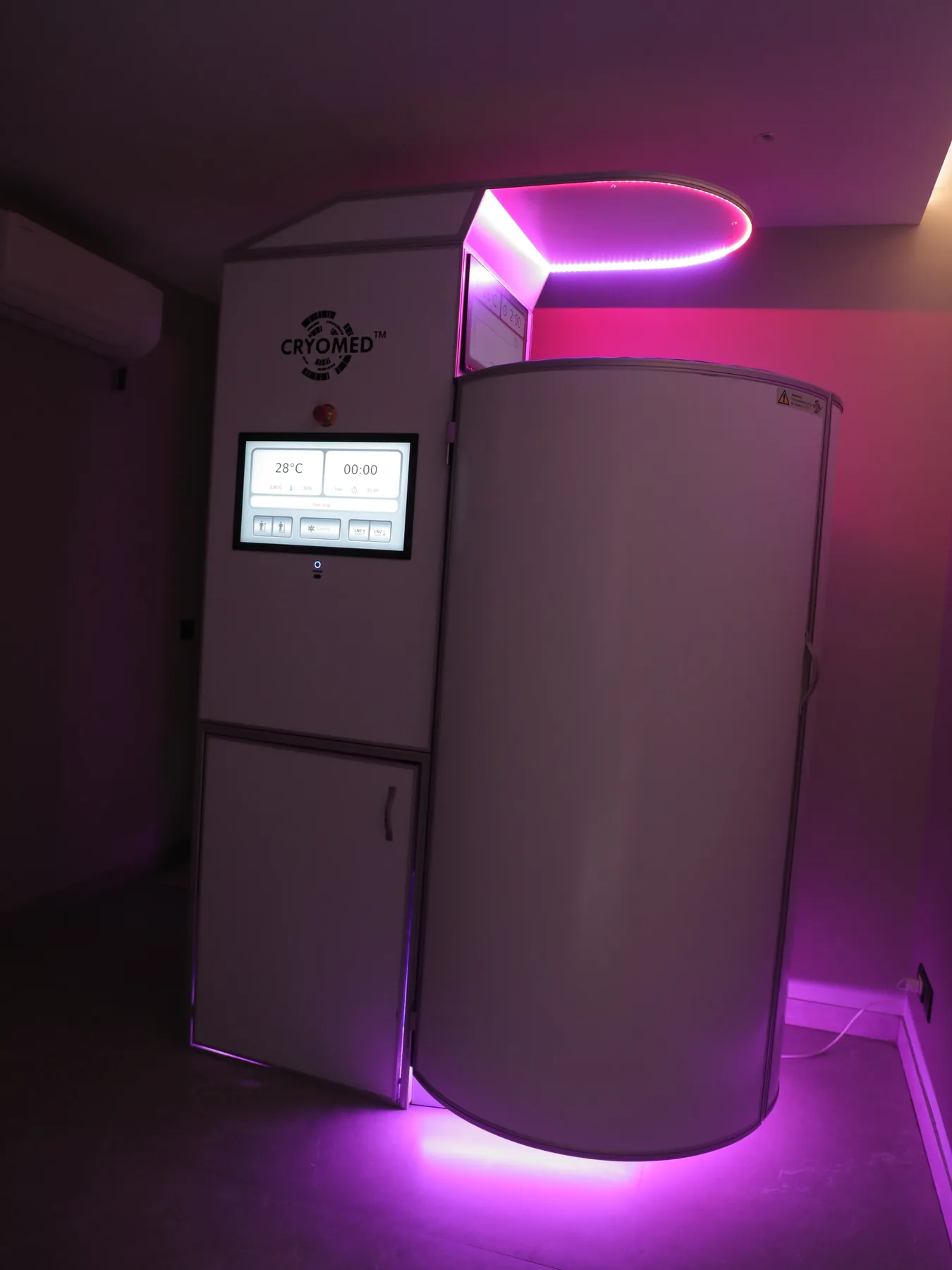
Most people are surprised by how energising it is. The chamber reaches around -110°C to -140°C using dry, nitrogen-cooled air — which means the cold feels sharp and invigorating rather than wet or heavy. Sessions last just 2–3 minutes, and the rush of warmth that follows is something most people look forward to returning for.
How many sessions will I need to feel the benefits?
Many guests notice improved mood, reduced muscle soreness, and a sense of mental clarity after their very first session. For deeper, longer-lasting benefits — such as reduced inflammation, accelerated recovery, and better sleep — a series of 5–10 sessions is recommended. Consistency is where the real transformation happens.
What should I wear inside the chamber?
Very little — and that is perfectly normal. Most guests wear minimal clothing (underwear or a swimsuit), along with dry socks, gloves, and slippers provided by us to protect the extremities. Removing moisture from your skin beforehand is important, so you will be asked to dry off thoroughly. Your comfort and dignity are always our priority.
What are the main benefits of regular cryotherapy?
Regular whole body cryotherapy is associated with faster athletic recovery, reduced chronic inflammation, improved sleep quality, enhanced mood through endorphin release, and a noticeable boost in energy levels. Many guests also report improvements in skin tone and a stronger sense of overall vitality with continued sessions.
Red Light Therapy
How does red light therapy actually work?
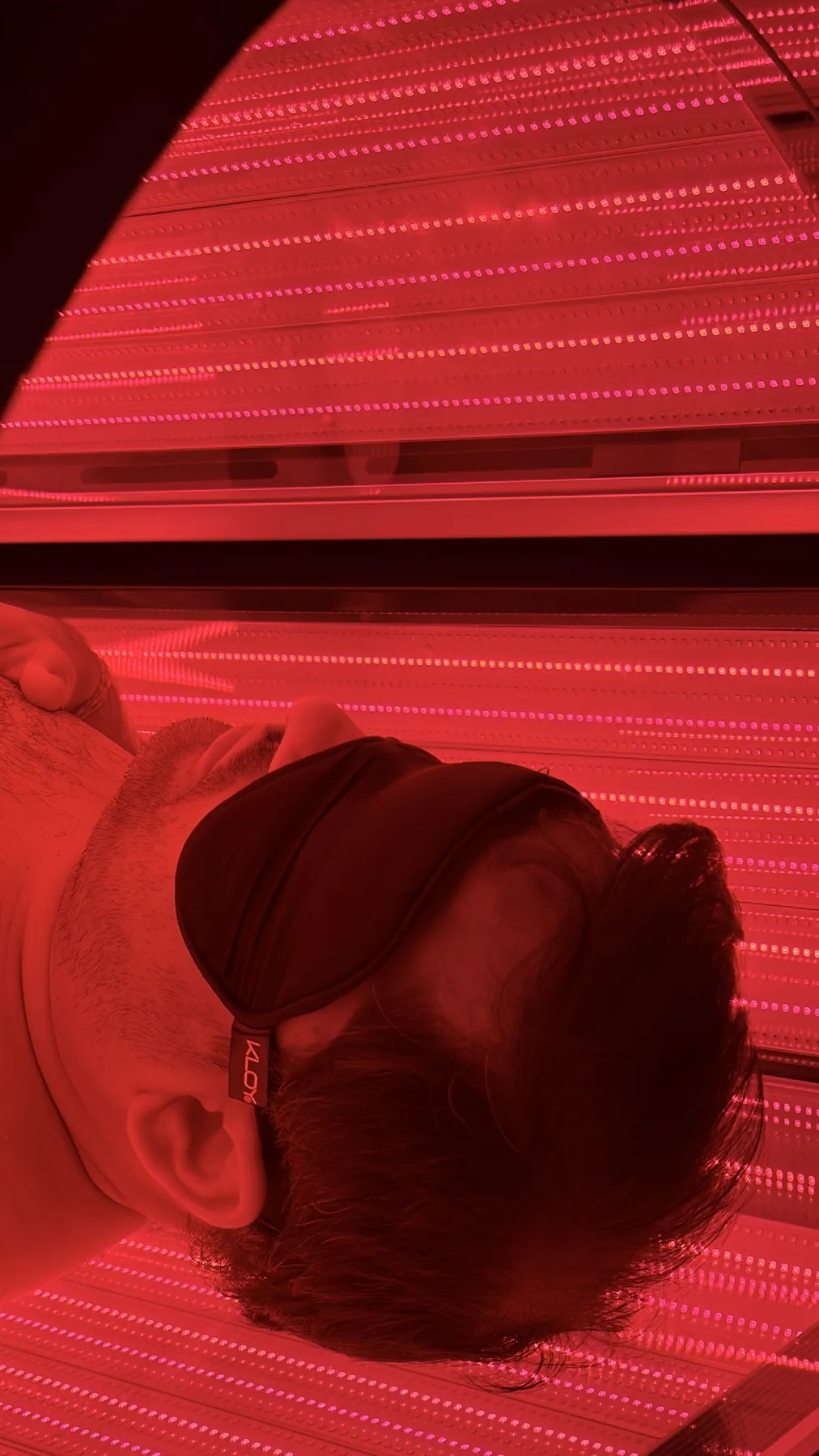
Red and near-infrared wavelengths (630–850nm) penetrate the skin and are absorbed by your mitochondria — the powerhouses of your cells. This stimulates ATP production, which fuels cellular repair, boosts collagen synthesis, and reduces inflammatory activity at a cellular level. It is one of the most research-backed non-invasive therapies available today.
What results can I expect — and when?
Skin texture and tone improvements are often among the first things guests notice, sometimes within a few sessions. Benefits like reduced joint discomfort, faster muscle recovery, and improved sleep tend to deepen over 4–6 weeks of regular use. Think of it as a long-term investment in how your body looks and feels.
How long is each session, and how often should I come?
Each session is a relaxing 10–20 minutes. For best results, we recommend 3–5 sessions per week during your initial phase, tapering to 2–3 times weekly for maintenance. Your personalised plan will be discussed with you at your first visit so you get the most from every session.
Is red light therapy suitable for all skin types?
Yes — red light therapy is non-UV, non-thermal, and gentle enough for all skin types, including sensitive skin. It works with your body's own biological processes rather than against them. Whether you are looking to address signs of ageing, support healing, or simply give your skin a healthy glow, it is a deeply inclusive therapy.
FIR (Far Infrared) Sauna
How is a far infrared sauna different from a traditional sauna?
Unlike a traditional sauna that heats the air around you to very high temperatures, a far infrared sauna uses gentle light waves that warm your body directly — from the inside out. The ambient temperature is much more comfortable (45–60°C), making it easier to breathe and stay in longer, while still producing a deep, cleansing sweat that works at a cellular level.
What does a session do for my body?
A single FIR sauna session can support detoxification through deep sweating, improve circulation, relax tight muscles, ease joint stiffness, and promote a profound sense of calm. Regular sessions are associated with cardiovascular benefits, improved skin health, and better stress resilience — all while feeling like a deeply indulgent experience.
How long is a session, and how should I prepare?
Sessions typically run 30–45 minutes. We recommend arriving well hydrated — drink at least 500ml of water beforehand — and wearing light, comfortable clothing or a towel. Afterward, give yourself time to cool down gently and rehydrate. Many guests find the post-sauna glow lasts well into the evening.
How often should I use the infrared sauna for best results?
For general wellness and stress relief, 2–3 sessions per week is a wonderful starting point. Those using it for recovery, detoxification, or skin goals may benefit from more frequent visits initially. Over time, many of our guests make it a cornerstone of their weekly self-care ritual — and find it hard to imagine life without it.
PEMF Therapy
What is PEMF therapy and how does it work?
PEMF stands for Pulsed Electromagnetic Field therapy. It delivers low-frequency electromagnetic pulses through the body, gently stimulating cellular activity in bone, muscle, and nerve tissue. Think of it as a recharge for your cells — helping sluggish, inflamed, or fatigued tissue return to its natural state of vitality. It has been used in clinical settings for decades with a strong track record.
What will I feel during a session?
PEMF is one of our most gentle therapies. Most guests feel a subtle tingling or soft pulsing sensation, and many drift into a deeply relaxed — even drowsy — state during the session. There is nothing intrusive about it. You simply lie down, let the technology do its work, and emerge feeling noticeably restored.
What conditions and goals is PEMF best suited for?
PEMF has strong clinical evidence for bone healing, osteoarthritis, and chronic pain management. It is also widely used for sports recovery, post-surgical healing, fatigue, and mood support. Whether you are an athlete looking to recover faster, someone managing a long-standing condition, or simply someone who wants to feel more energised — PEMF offers something meaningful.
How many sessions are recommended?
The beauty of PEMF is that benefits can be felt even in a single session, but cumulative effects build beautifully over time. Most protocols suggest 10–20 sessions for significant therapeutic goals, with maintenance sessions thereafter. We will work with you to design a session plan that fits your lifestyle and your body's needs.
Hyperbaric Oxygen Therapy
What happens during a hyperbaric oxygen session?
You rest comfortably inside a pressurised chamber and breathe enriched oxygen at greater-than-normal atmospheric pressure. This floods your bloodstream with oxygen at levels your body simply cannot achieve through normal breathing — accelerating healing, reducing inflammation, and supporting tissue repair from the inside out. Sessions last 60–90 minutes and feel surprisingly peaceful.
What are the evidence-based benefits of HBOT?
HBOT has decades of clinical research behind it. Approved medical uses include healing non-healing wounds, radiation injury recovery, and serious infections. In wellness settings, guests report meaningful improvements in energy, mental clarity, post-viral recovery, athletic performance, and brain fog. It is one of the most powerful recovery tools available today.
What does breathing pure oxygen at pressure feel like?
Most people find it deeply relaxing. You may notice a subtle pressure sensation in your ears as the chamber pressurises — similar to the feeling during a flight — which passes quickly. Many guests read, listen to music, or simply rest during the session. A sense of mental sharpness and physical lightness after the session is commonly reported.
How many sessions will I need?
For acute recovery or a specific wellness goal, a short course of 5–10 sessions often delivers noticeable results. For deeper therapeutic goals, programmes of 20–40 sessions are common in clinical settings. We will help you identify the right frequency and duration based on what you are hoping to achieve.
Hypoxia Therapy
What is hypoxia therapy and where does it come from?
Hypoxia therapy is rooted in the science of altitude training — long used by elite athletes to gain a competitive edge. By briefly exposing the body to controlled, reduced-oxygen air in intervals, we trigger powerful biological adaptations: more red blood cells, greater oxygen efficiency, stronger mitochondrial function, and improved cardiovascular capacity. It is altitude performance, brought to you.
What does a session actually involve?
You relax in a comfortable chair and breathe through a mask that alternates between hypoxic (low-oxygen) air and normal air in measured intervals — typically 5–7 minutes of each. The session is always supervised, and the protocol is precisely calibrated to your physiology. It is a remarkably efficient way to achieve adaptations that traditionally required weeks at high altitude.
Who benefits most from hypoxia therapy?
Athletes seeking performance gains, people looking to improve cardiovascular fitness, individuals recovering from fatigue or burnout, and those managing conditions where oxygen efficiency matters — such as metabolic or cognitive health goals — all find meaningful value in hypoxia therapy. It is also increasingly explored for longevity and anti-ageing protocols.
How quickly will I notice results?
Many guests report a clear-headed, energised feeling immediately after their first session during the recovery phases. Measurable improvements in endurance, stamina, and cognitive sharpness typically build over a course of 10–15 sessions. For athletes, performance markers often improve within 3–4 weeks of consistent therapy.
Dry Float Therapy
What makes dry floating different from a traditional float tank?
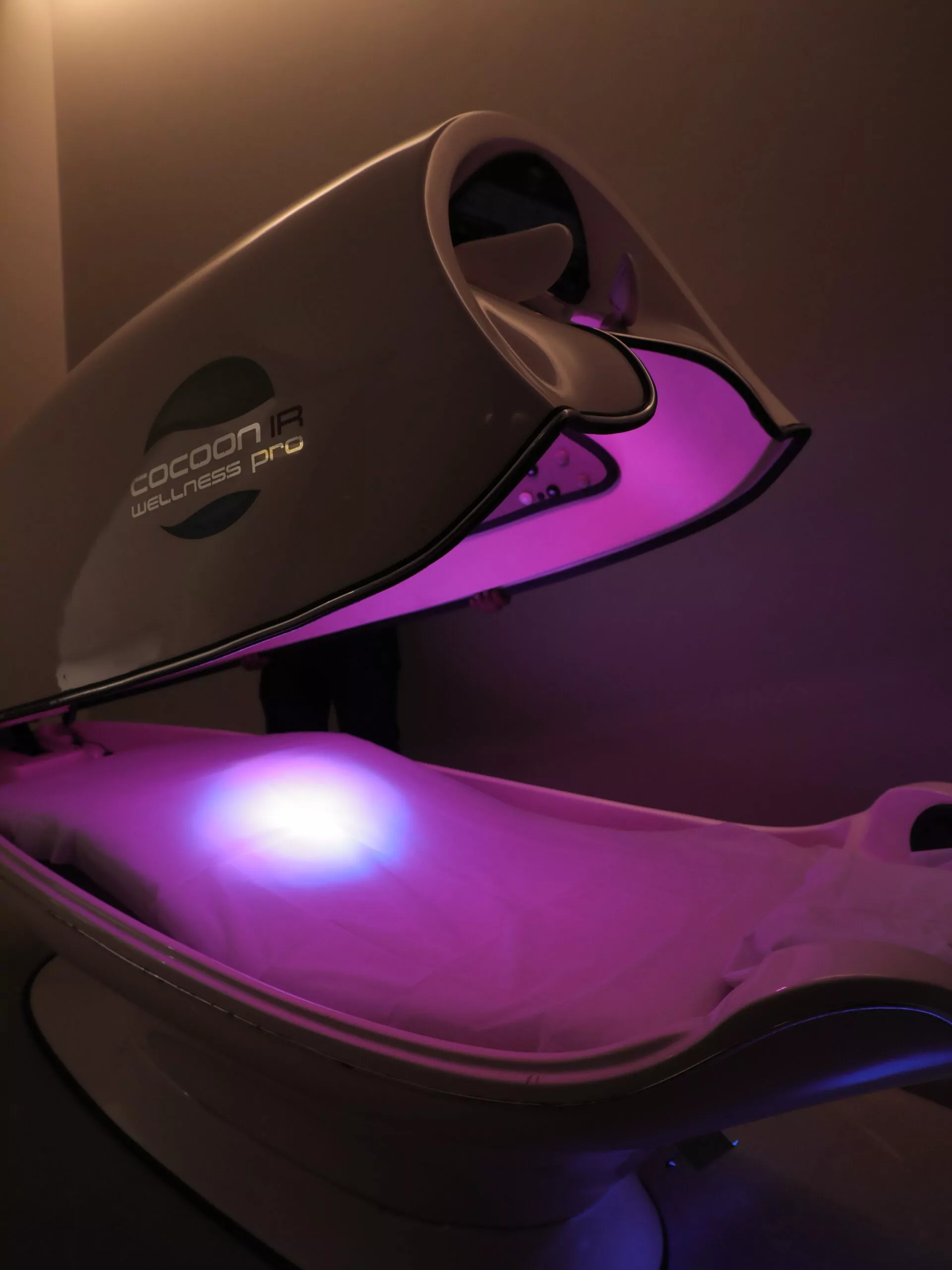
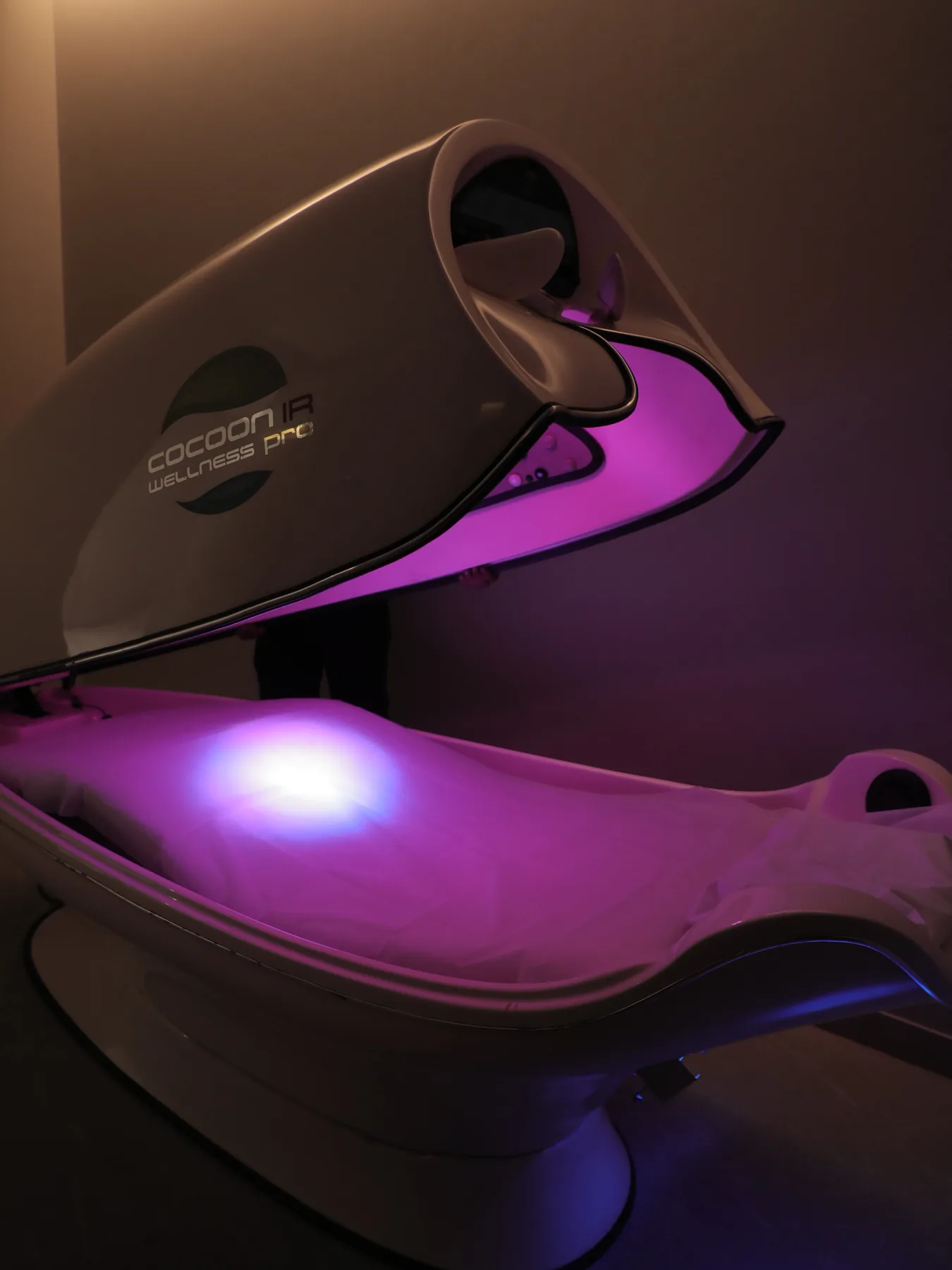
Dry floating gives you all the benefits of traditional floatation — weightlessness, sensory stillness, deep nervous system rest — without getting wet. You lie on a warm, body-temperature membrane that rests above a saline solution, fully clothed if you prefer. It is an accessible, deeply comfortable way to experience one of wellness's most profound tools, with no salt in your hair and no shower required.
What does it actually feel like?
Imagine your body being held completely without effort — no pressure on any joint, no tension in any muscle, just a sense of total surrender. The environment is quiet, warm, and gently lit. Most guests drift into a deeply meditative state that feels unlike anything else they have experienced. Many describe it as the most rested they have felt in years, even after the very first session.
What are the benefits of regular float therapy?
Float therapy offers a remarkable range of benefits: significant reduction in muscle tension and joint pain, lowered cortisol (your stress hormone), improved sleep, enhanced creativity and mental clarity, and a powerful reset for an overstimulated nervous system. For people managing chronic pain, high-stress lifestyles, or physical training loads, it can be genuinely transformative.
How long is a session, and how often should I float?
Sessions are typically 60–90 minutes. Many guests find that the experience deepens with each visit — your nervous system learns to let go more readily over time. Once a week is a popular rhythm for those using it for stress and recovery, while others come fortnightly for maintenance. There is no wrong answer; your body will tell you what it needs.
IV Therapy
Why is IV therapy more effective than taking oral supplements?
When vitamins and minerals are taken orally, they pass through the digestive system and only a fraction is absorbed — the amount varies based on your gut health, metabolism, and the specific nutrient. IV therapy delivers everything directly into your bloodstream, achieving 100% bioavailability instantly. Your cells receive exactly what they need, at therapeutic levels no supplement capsule can match.
What is actually in the drip?
Every drip is formulated with pharmaceutical-grade ingredients tailored to your goal. Common formulations include high-dose Vitamin C, B-complex vitamins, magnesium, zinc, glutathione, amino acids, and hydrating saline bases. Whether you are recovering from illness, optimising athletic performance, addressing fatigue, or seeking a beauty boost — there is a formulation designed precisely for you.
How long does a session take, and will I feel anything?
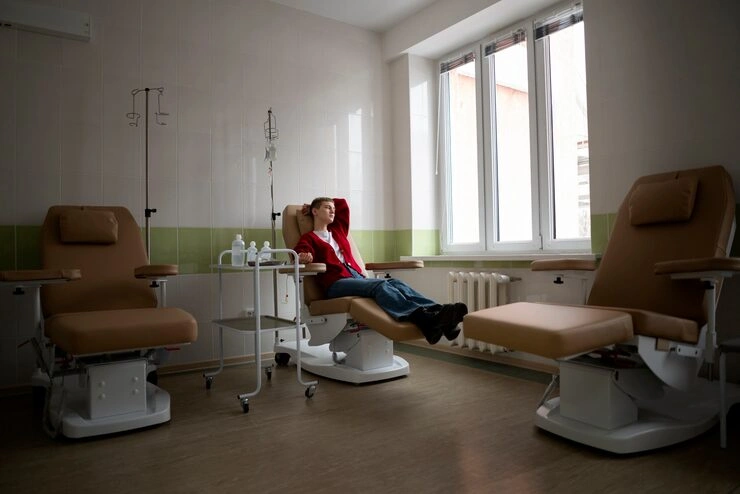
Most infusions take 30–60 minutes in a relaxed, comfortable setting. Many guests feel a gentle warmth as the drip flows, and a notable uplift in energy, clarity, and hydration often begins during or shortly after the session. It is a wonderful hour to simply pause, rest, and let your body absorb something good.
How often should I have IV therapy?
This depends entirely on your goals and lifestyle. Some guests come once for acute recovery — after travel, illness, or an intense event. Others schedule monthly sessions as part of their wellness maintenance. High-performers and those with specific health goals may benefit from more frequent protocols. We will help you find the rhythm that works best for your body and your life.
Begin
Book advanced therapy.
Start with a complimentary discovery call. Our clinical team will design the optimal protocol for your biology.