Reset diagnostics — Diagnostic Testing
Know your gut. Change everything.
The gut microbiome is not a supporting actor in your health story. It is the director.
- Assessment
- On site or at home
- Results
- Reviewed in consultation
- Repeat
- Protocol-based
- Downtime
- None
The diagnostic
Gut Microbiome Test
The trillions of microorganisms living in your digestive tract influence your immune function, your inflammatory load, your metabolic rate, your mood, your energy, your cognitive clarity, and your resilience to disease. The latest research implicates microbiome composition in conditions as diverse as autoimmunity, obesity, depression, skin disorders, and cognitive decline.
And yet, for most people, this ecosystem remains invisible — assumed to be fine, or ignored entirely.
A gut microbiome test makes it visible. It gives you the precise, actionable intelligence to understand what is living in your gut, what is thriving, what is missing, and what that means for every system in your body.
What it measures
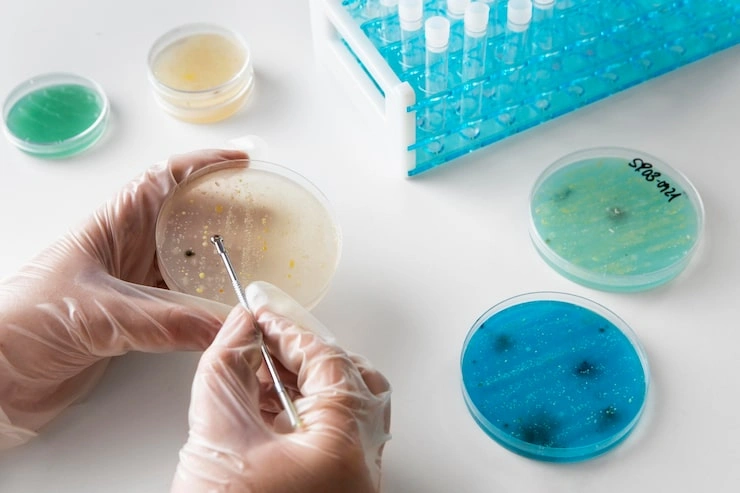
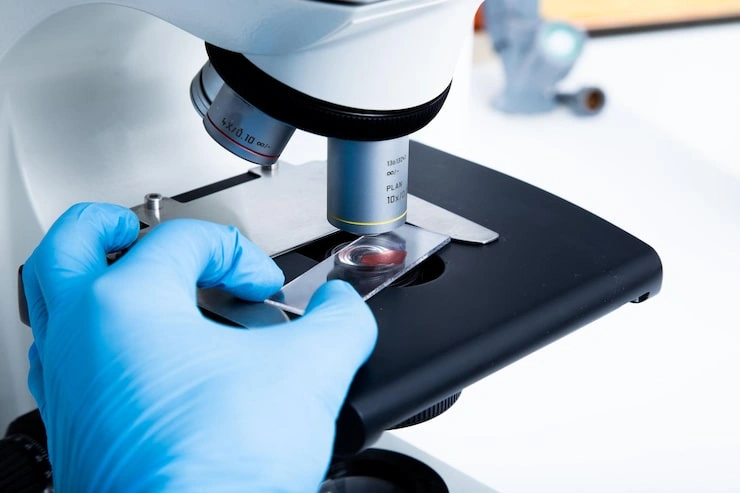
Using DNA sequencing technology, the test identifies and quantifies the bacterial species, fungi, and other microorganisms present in your gut — including their relative abundance, diversity, and functional capacity.
Key areas assessed include:
Overall microbial diversity — a primary indicator of gut health and systemic resilience
- Abundance of beneficial bacteria and any critical deficiencies
- Presence of dysbiotic, opportunistic, or pathogenic species
- Functional markers — short-chain fatty acid production, inflammatory signalling, gut-brain axis activity, and vitamin synthesis capacity
- Gut barrier integrity indicators
What the results reveal
High microbial diversity is consistently associated with better health outcomes. Low diversity is linked to inflammation, poor immunity, metabolic dysfunction, and mental health challenges. The test maps where you sit — and precisely why.
Dysbiosis — imbalances between beneficial and harmful bacteria — drives many of the symptoms that conventional medicine struggles to explain. The test locates these imbalances with specificity, creating targets for intervention that guesswork cannot.
Beyond species identification, the functional assessment reveals what your microbiome is actually doing — not just what is there, but whether it is performing. The difference matters enormously when designing an intervention.
How it works
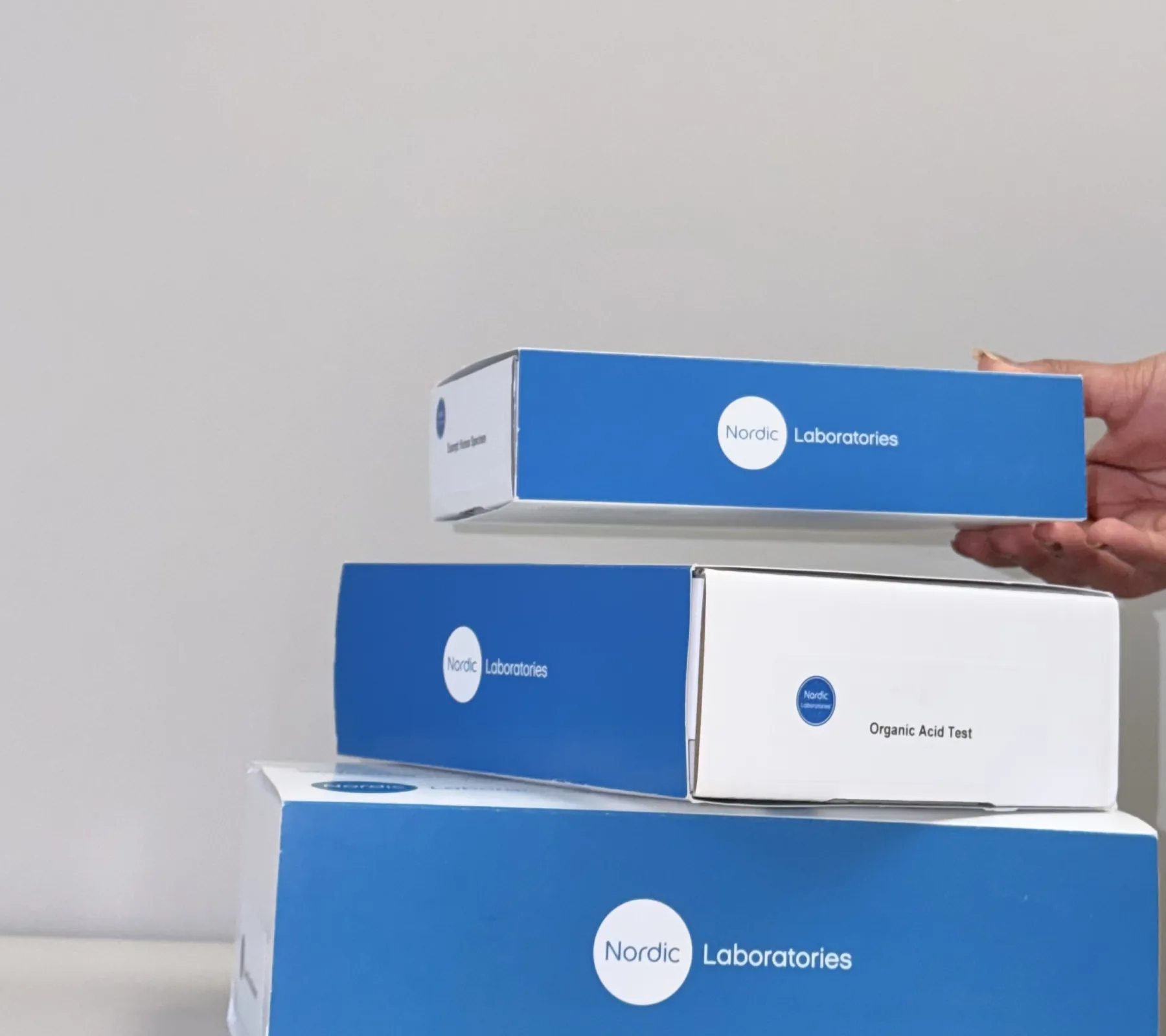
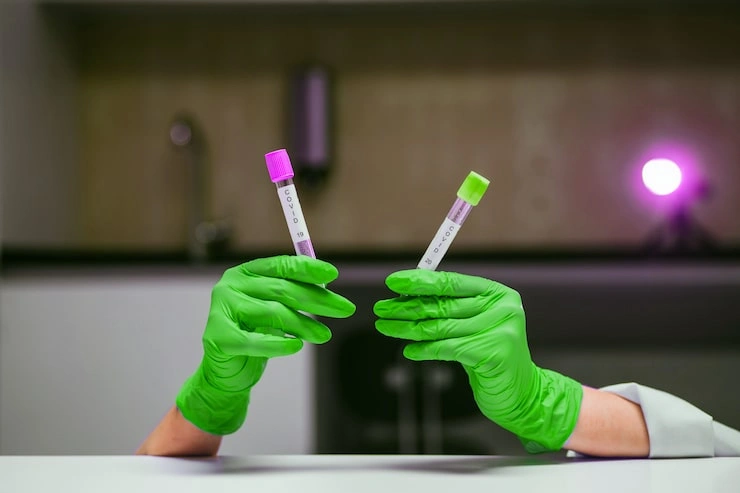
The process is simple and completed from home. We provide a clinical-grade collection kit with clear instructions. A small stool sample is collected and returned to our accredited laboratory partner for DNA sequencing analysis. Results are typically available within two to three weeks.
Your results consultation is where the data becomes actionable. Our practitioner reviews your microbiome profile with you — explaining each finding in clinical context, connecting it to your symptoms, and building a specific, targeted intervention plan.
What happens after — the protocol that follows
The result of your gut microbiome test is not a report filed away. It is the foundation of a targeted programme.
Dietary recommendations are personalised to your specific microbiome — not generic gut health advice, but adjustments calibrated to feed your beneficial strains and starve the dysbiotic ones.
Probiotic and prebiotic protocols are matched precisely to the deficiencies and imbalances identified — eliminating the randomness of standard supplement choices.
Therapeutic interventions — including colon hydrotherapy, IV nutrient support, and anti-inflammatory protocols — are sequenced around what the test reveals, in the order most likely to produce lasting change.
Repeat testing after 3 to 6 months confirms what has shifted and guides the next phase.
Begin today
Book advanced therapy
Start with a complimentary discovery call. Our clinical team will design the optimal protocol for your biology.
Schedule your consultation WhatsApp usSuitability
Who should get it and when
A gut microbiome test is valuable for almost anyone — because gut ecology underpins almost everything. It is most directly indicated for:
-
01
People with chronic digestive symptoms — bloating, IBS, irregular bowel function, constipation, or diarrhoea
-
02
Those with skin conditions suspected to have a gut origin — acne, eczema, rosacea, psoriasis
-
03
Anyone experiencing mood disturbances, anxiety, or low energy without clear explanation
-
04
People with autoimmune conditions or chronic inflammatory disorders
-
05
Anyone beginning a gut restoration programme who wants a precise, evidence-based starting point
-
06
Those who want to understand their biology at a depth that standard medicine rarely offers
What conditions does halotherapy most effectively address?
The strongest evidence supports halotherapy for asthma, COPD, chronic sinusitis, allergic rhinitis, eczema, and psoriasis. Guests also report significant benefit for recurrent respiratory infections, urban pollution-related respiratory burden, and general immune resilience.
How is this different from a standard stool test my doctor might order?
Standard stool tests screen for obvious pathogens or parasites. A microbiome test goes far deeper — using DNA sequencing to map thousands of species, assess diversity, identify dysbiosis, and evaluate functional capacity. It reveals the full picture, not just the obvious problems.
How is the sample collected?
At home, privately, using a simple clinical collection kit that we provide. A small stool sample is taken and sealed for laboratory analysis. The process takes only a few minutes.
Will the test tell me what to do with the results?
Yes. Your results are accompanied by a detailed consultation with our practitioner, who translates the findings into a specific, personalised protocol — including dietary recommendations, targeted probiotics, and therapeutic interventions matched to your microbiome profile.
Begin
Experience Gut Microbiome Testing at Reset.
Book a personalised consultation and discover what a more individual approach to wellness could look like — for your body, your goals and your schedule.